

If your AC is more than 15 years old, it is often closer to replacement than repair. In Carlsbad, salt air can wear down outdoor parts, and older systems often show the same pattern: higher electric bills, longer run times, weak airflow, uneven cooling, more repair visits, and more comfort problems on hot days.
Here’s the short version:
- 15 years is a common lifespan marker for many home AC systems.
- In coastal areas like Carlsbad, salt exposure can speed up wear on coils, wiring, and metal parts.
- Older units often lose efficiency, which can mean more runtime and more power use.
- Trouble signs often include noise, odors, humidity issues, and rooms that never cool evenly.
- Repairs may still help if the issue is small, but repeat breakdowns usually point toward replacement.
- A newer system can mean lower energy use, steadier cooling, and warranty coverage.
One clear way I’d look at it: if your AC is 15+ years old and needs service more than once in a short stretch, the issue usually is not just one bad part. It often means the whole system is wearing out.
Signs you may need a new AC
Quick comparison
| What changes with age | Older AC (15+ years) | Newer AC |
|---|---|---|
| Energy use | Often higher | Often lower |
| Cooling | Can be uneven | More even |
| Repairs | More frequent | Less common early on |
| Reliability in heat | More likely to struggle | More steady |
| Coastal wear risk | Often already built up | Lower at the start |
So if you’re seeing a mix of high bills, weak airflow, strange smells, and repeat repairs, that usually means your system is nearing the end of its run.
Common Signs an Older AC Is Starting to Fail
The warning signs of an aging AC usually don’t show up all at once. They tend to creep in little by little, which is why they’re easy to brush off at first, especially if the system still turns on and cools well enough.
Higher Electric Bills and Longer Run Times
One of the first clues is often higher power use. As an AC gets older, it can lose some of its cooling ability. That means it may run longer just to hit the temperature on your thermostat, and those extra cycles can show up on your monthly electric bill. During hot weather, this tends to stand out even more.
Frequent Repairs, Weak Airflow, and Uneven Cooling
If rising bills are the first hint, weak airflow often follows. Older units often need repeat repairs as electrical and mechanical parts wear down. You may also notice that some rooms feel fine while others stay warm. That kind of uneven cooling, along with weak airflow, is common in a system that’s 15 years or older and starting to rack up more service calls.
Noise, Odors, and Comfort Problems
As the system declines, the signs get harder to miss. You may hear odd sounds, notice musty smells, or deal with sticky indoor air. Musty odors and humidity issues can point to indoor air quality problems in an older system. Other unusual smells may signal mold, mildew, or overheated parts. And if comfort issues keep showing up on hot days, the system may be getting close to the end of its reliable life.
What These Problems Usually Mean Inside a 15+ Year Old System
These symptoms usually point to wear inside the system, and in a place like Carlsbad, coastal air can make that wear happen faster. Once a unit is 15 years old or more, small issues have a way of snowballing.
Efficiency Loss and Worn Mechanical Parts
Parts like motors, capacitors, and contactors don’t last forever. As they wear down, the system may start oddly, stop at the wrong time, or run in a way that uses more power than it should.
The tricky part? The problem is often hidden inside the unit. So technicians usually need to test the electrical controls directly to find what’s going wrong.
Older Refrigerant Issues and Repair Limits
Older systems may use refrigerants that are harder to service. When refrigerant lines or other parts fail, repairs can get more costly and less practical in a hurry. Refrigerant work must be handled by EPA-certified technicians.
Coastal Corrosion on Outdoor Equipment
In Carlsbad, salt air can be rough on outdoor equipment. It speeds corrosion on coils, tubing, and electrical connections, which can lead to rust and intermittent failures.
For a system that’s already 15 years old or older, that corrosion can make repairs harder to justify. At that point, the repair-versus-replace decision usually becomes the next step.
Repair or Replace: How to Decide When an Older AC No Longer Makes Sense
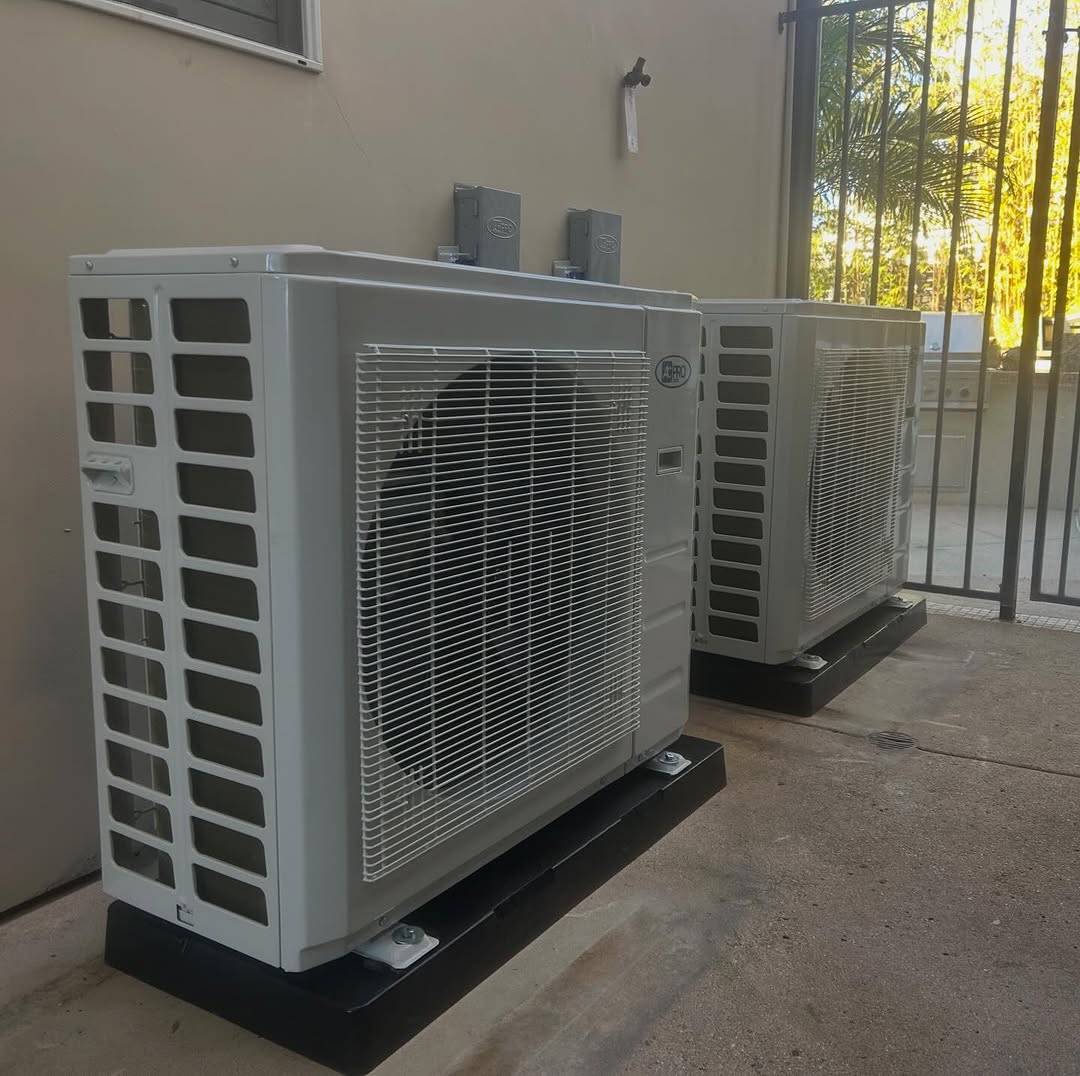
Once a 15-year-old AC starts showing higher utility bills, weak airflow, or repeat repair issues, the next step is pretty simple: is one more repair worth it, or is it time to replace the system?
At that point, the decision usually comes down to three things: repair cost, the unit’s overall condition, and how long it can keep working without turning into a constant headache.
When a Repair May Still Be Worth It
A repair can still be the right move if the problem is small and the rest of the system is in decent shape.
That matters because a planned replacement on your schedule is almost always better than dealing with an emergency install in the middle of a summer heat wave. If the system is still cooling well overall and the fix is limited, putting money into one repair may buy you more time without forcing a rushed decision.
When Replacement Becomes the Better Long-Term Choice
Replacement starts to make more sense when repairs keep piling up, energy bills continue to climb, and the system still can’t cool the home evenly.
At that stage, you’re putting money into a unit that’s already past its expected lifespan, without getting steady cooling back in return. A new high-efficiency system can cut monthly energy costs and usually includes warranty coverage.
Repair vs. Replacement: A Side-by-Side Comparison for a 15+ Year Old AC
Here’s the decision at a glance:
| Factor | Repairing an Older AC | Replacing with a New System |
|---|---|---|
| Repair Frequency | Becomes more frequent and costly over time | Minimal to no repairs expected early on |
| Operating Efficiency | Low; efficiency continues to decline as parts wear | High-efficiency; lower monthly energy bills |
| Cooling Consistency | Often struggles with uneven cooling or weak airflow | Consistent, reliable cooling throughout the home |
| Long-Term Reliability | High risk of failure during peak summer heat | Strong reliability backed by new manufacturer warranties |
What to Expect Next and Key Takeaways
How a Newer System Can Improve Comfort and Reliability
When repairs stop making sense, replacement changes the goal. Instead of patching the same problems over and over, you move toward steady, dependable cooling.
After years of coastal wear, a new system can bring back more even temperatures and better humidity control. That can help cut down on hot spots in back bedrooms or upstairs rooms. And that matters most during peak North County heat, when older systems are more likely to fall behind.
There’s an energy angle too. Newer systems are built to use less electricity than aging units, which can lower monthly energy use. They also come with manufacturer equipment warranties and professional labor warranties, giving you peace of mind that an older system simply doesn’t have anymore.
Planning Your Next Step with Coastal Comfort San Diego
Once replacement starts to look like the right move, the next step is getting a professional evaluation before the system quits altogether. Coastal Comfort San Diego offers free estimates after a full system assessment.
Coastal Comfort San Diego has more than 30 years of experience serving North San Diego County. The company also offers free estimates and 0% APR financing for qualifying installations.
FAQs
How do I know if my old AC is worth repairing?
Use the $5,000 Rule: multiply your unit’s age by the estimated repair cost. If the total comes out above $5,000, replacement is usually the smarter money move.
Age and day-to-day performance matter too. If the unit is 10 to 15 years old, runs less efficiently, or seems to need repairs all the time, an upgrade can make more sense over the long haul. On the other hand, if the problem is small and the fix is low-cost, sticking with maintenance is often the better call.
Does salt air really shorten AC lifespan in Carlsbad?
Yes. Carlsbad’s coastal climate can be hard on HVAC systems.
Salty air, humidity, and dust-filled winds can put extra strain on the equipment and shorten its lifespan over time. It’s a bit like living near the beach with a car parked outside all year. The conditions wear things down faster.
Regular maintenance helps the system run more efficiently and may help preserve manufacturer warranty coverage. Coastal Comfort San Diego recommends certified service and routine maintenance to help manage these coastal conditions.
Will a new AC lower my electric bill?
Yes. A newer, higher-efficiency AC can cut your electric bill, which helps chip away at the upfront cost over time.
Here’s a simple example: moving from SEER 13 to SEER 20 can save about $300 to $500 per year on energy use. That kind of drop in utility costs adds up year after year.
There may also be help on the front end. Federal tax credits can reduce upfront costs by as much as $3,200, including $2,000 for air-source heat pumps.