
A fall tune-up means checking the parts of your system that sat idle all summer, cleaning what salt air and dust settled on, and confirming the heating side still works before the first cold night. Carlsbad homes run light heating loads, which is exactly why furnace problems hide for months. The checklist below separates what a homeowner can handle from what needs a technician with gauges and test equipment.
Here's the short version:
- Replace the filter and clear the area around both the indoor and outdoor units
- Run the heat for a full cycle now, while a repair is still a scheduled visit instead of an emergency
- Equipment near the water takes direct salt air, so coils deserve extra attention
- A professional visit covers inspection, filter replacement, coil cleaning, refrigerant check and performance testing
- Service at least once a year, ideally twice, before summer and before winter
Why Fall Matters More Than It Seems in Carlsbad
The coastal climate here is forgiving, which creates a false sense of security. Heating runs in short bursts on cool mornings and evenings, so a furnace can be limping along for a long time before anyone notices. By the time you feel the problem, it is usually a cold week and every contractor's schedule is full.
Fall is the gap between the two demand seasons. Your air conditioning has just finished its hardest stretch of work, and your heating equipment is about to start. Checking both at the same time is efficient, and it gives you room to make decisions calmly instead of reacting to a breakdown.
There is a second reason specific to this area. Homes near the water take direct salt air on their outdoor equipment. Salt is hard on condenser coils and cabinet hardware, and a summer of heavy runtime leaves a layer of dirt on top of it. A fall cleaning removes that before it sits through winter.
The Homeowner Portion of the Checklist
These steps take an afternoon and do not require tools beyond a garden hose and a screwdriver.
Replace the filter
A filter that has been in place all summer is loaded. A restricted filter forces the blower to work harder, cuts airflow across the coil, and raises your energy use. Write the date on the new filter's edge so you know when it went in.
Clear both units
Outside, pull leaves, cuttings and debris away from the condenser. Trim back anything growing into it. Inside, clear storage away from the furnace or air handler. Boxes stacked against a return grille choke the system the same way a dirty filter does.
Rinse the outdoor coil
A gentle rinse from the outside in, with the power off at the disconnect, removes surface dirt. This is not a substitute for a real coil cleaning, especially on a salt exposed unit, but it helps between professional visits.
Test the heat early
Set the thermostat to heat and let it run a full cycle. You are listening for grinding, rattling or booming sounds, and watching for burning smells that last longer than the first few minutes. Anything unusual is worth a call now rather than in December.
Walk the vents
Open every supply register. Check that furniture and rugs are not blocking them. Note any room that feels noticeably weaker than the rest, because that is useful information for a technician.
What a Technician Checks That You Cannot

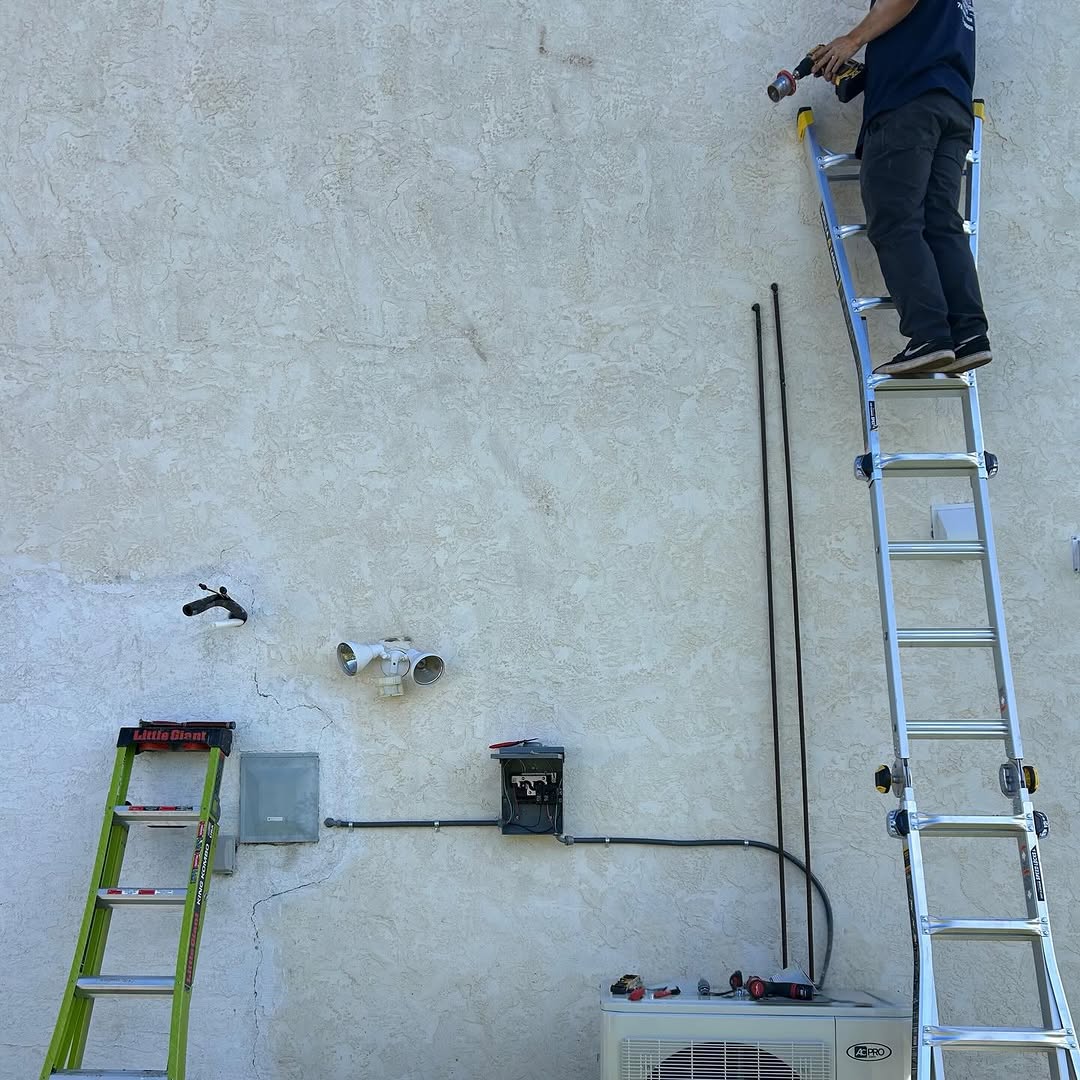
A technician inspecting an outdoor condenser unit during a seasonal service visit.
A professional maintenance visit includes a full system inspection, filter replacement, coil cleaning, refrigerant check and performance testing. The refrigerant and performance portions are the ones a homeowner has no way to duplicate. Refrigerant charge is measured, not guessed, and a system running low is losing capacity and efficiency long before it stops cooling entirely.
Coil cleaning is also a different job in professional hands than a rinse with a hose. Cleaning the full coil surface restores heat transfer, which is what keeps energy use where it should be rather than creeping up month after month.
The other purpose of a scheduled visit is safe operation. A technician looks over the system as a whole and flags anything that needs attention before it becomes a bigger problem. That is the difference between a planned repair and a no heat call on the coldest night of the month.
| Task | Homeowner | Technician |
|---|---|---|
| Filter replacement | Yes | Yes, included in service |
| Surface debris and clearance | Yes | Yes |
| Deep coil cleaning | Limited | Yes |
| Refrigerant charge check | No | Yes |
| Full system inspection | No | Yes |
| Performance testing | No | Yes |
Using Fall to Make the Bigger Decision
Sometimes a tune-up turns up something larger. If your furnace is over 15 years old, needs frequent repairs, or your heating bills keep climbing, replacement may make more sense than another round of parts. The same logic applies on the cooling side. A system over 10 to 15 years old with rising energy bills and repeated service calls is usually costing more to keep than to replace.
Fall is a reasonable time to have that conversation because nothing is broken yet. You can compare options without a deadline, look at what a modern high efficiency unit would do for your energy bills, and get a straight answer on whether waiting another season is a real risk.
Many Carlsbad homeowners look at Heat Pump Systems at this point, since one unit covers both heating and cooling and the mild climate here suits them well. Others simply need honest guidance on HVAC System Replacements, including what equipment fits the house and how the old system gets removed cleanly.
If nothing needs replacing, the fall visit still earns its keep. Regular Preventative Maintenance extends the life of the equipment you already own and keeps small issues from turning into emergency repairs.
Scheduling Your Fall Service With Coastal Comfort San Diego
We are a family owned heating and air conditioning contractor based in Carlsbad, serving Oceanside, Encinitas, Cardiff, Vista, San Marcos, Escondido, Del Mar, Solana Beach, Leucadia, Rancho Santa Fe, Fallbrook, Poway and San Diego. Our team brings more than 30 years of HVAC experience to every visit, and we price honestly without corporate markups or hidden fees.
Our maintenance plans cover thorough inspection, cleaning and tune-ups designed to catch small problems before they turn into emergency repairs. Maintenance members also get priority scheduling, which matters most during the weeks when everyone else is calling at once.
Homeowners across North County have rated us 5 stars across 17 Google reviews.
To book a fall tune-up or ask a question about your system, get in touch with us here or call (760) 893-6999. License 1149074, insured and bonded.
FAQs
How often should I have my HVAC system serviced?
At least once a year, and ideally twice, before summer and before winter. Two visits per year let a technician address the cooling side and the heating side separately, when each one is about to be used. Regular service keeps the system efficient and extends its lifespan.
What does a maintenance visit include?
A full system inspection, filter replacement, coil cleaning, refrigerant check and performance testing. We also tell you if anything needs attention before it becomes a bigger problem. You get a clear picture of the system's condition rather than a vague pass or fail.
How do I know if my furnace needs repair or replacement?
If your furnace is over 15 years old, requires frequent repairs, or your heating bills keep climbing, it may be time for a replacement. We give an honest recommendation based on what makes the most sense for your home and budget, not on what is easiest to sell.
Does living near the coast change how I should care for my system?
Outdoor equipment close to the water sits in direct salt air, and salt is hard on coils and cabinet hardware. That is true for any unit near the beach, residential or commercial. Keeping the outdoor coil clean is the single most useful habit for a home in that setting.
Can you come out quickly if the tune-up finds a problem?
We aim to offer fast, reliable service and can often provide same day or next day appointments depending on availability. Maintenance plan members receive priority scheduling. Finding an issue in fall usually means the repair can be planned rather than rushed.