
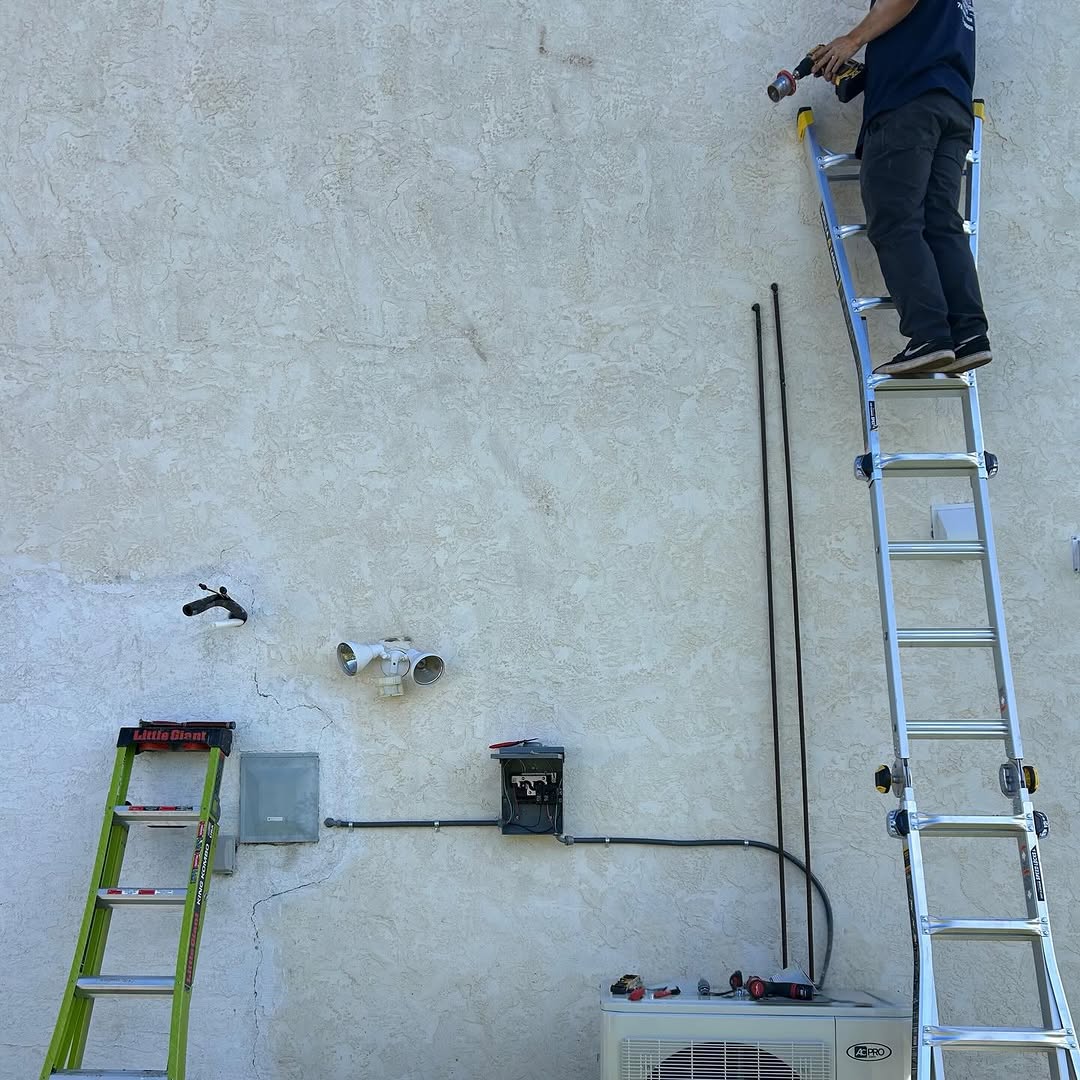
The right HVAC system for a Carlsbad home is usually the one that fits your layout, handles coastal humidity, resists salt air, and is sized with a Manual J calculation.
If I were choosing a system, I’d focus on five things first:
- My home’s load, not just square footage
- System type: central AC and furnace, heat pump, or ductless mini split
- Efficiency ratings like SEER2, EER2, and HSPF2
- Humidity control and filtration, especially for coastal air and wildfire smoke
- Salt-air protection for the outdoor unit
A few points stand out fast:
- In Carlsbad, cooling and moisture control often matter more than heavy heating
- Leaky ducts can waste 20% to 30% of cooling
- For many homes, 15+ SEER2 is a solid target
- Oversized systems can cool fast but leave the house feeling damp
- MERV 11 to 13 filters are often a good fit, with MERV 13 helping during smoke events
- Near the coast, outdoor units need corrosion-resistant parts and regular rinsing
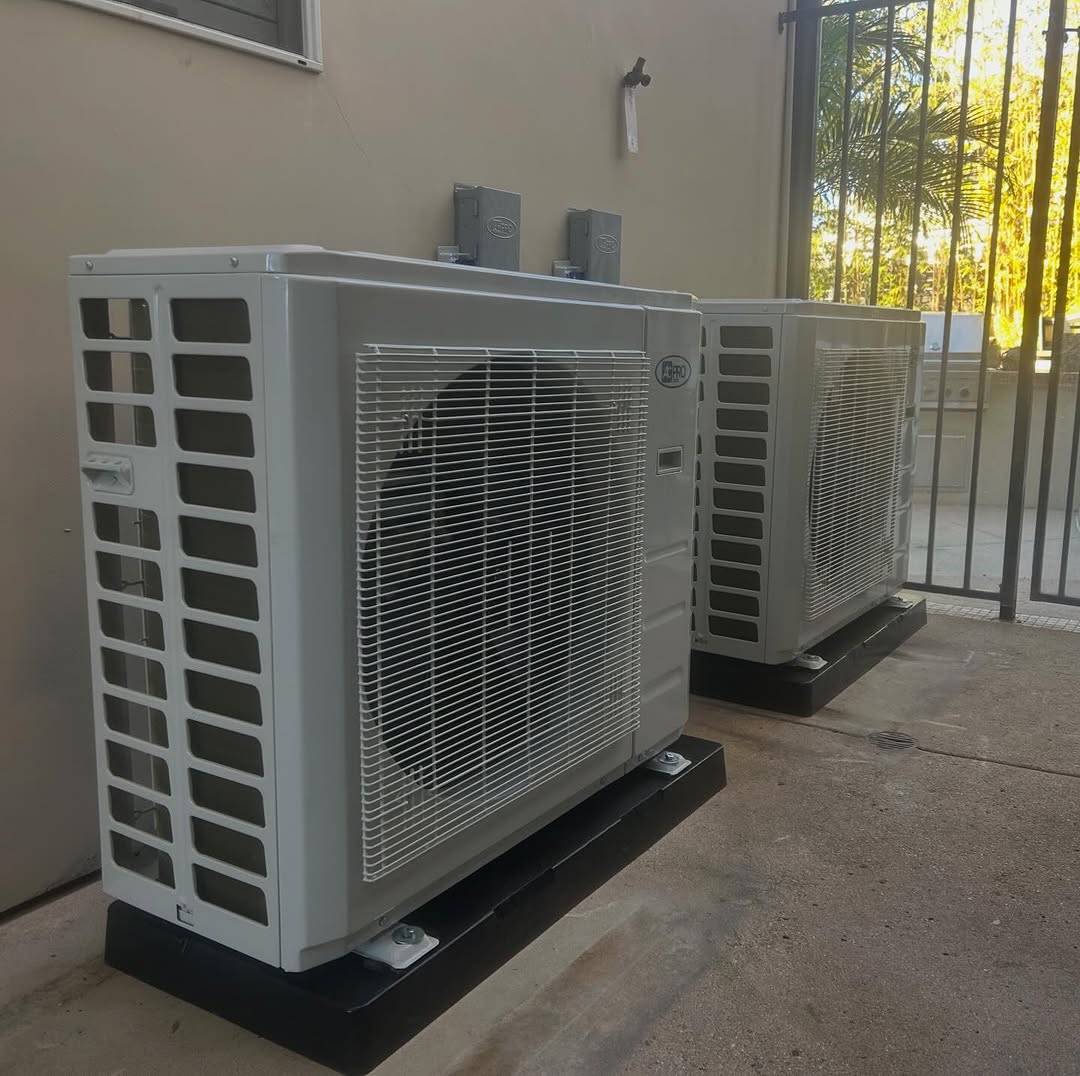
Choosing best A/C for your home - HVAC Contractors guide (Summer 2026)
Quick comparison
| Option | Best fit | Main upside | Main thing to watch |
|---|---|---|---|
| Central AC + furnace | Homes with solid ducts | Even whole-home comfort | Duct losses, attic heat |
| Heat pump | Mild Carlsbad climate, all-electric homes | Heating and cooling in one system | Must be sized and matched well |
| Ductless mini split | Older homes, ADUs, additions, problem rooms | Room-by-room control, no duct loss | Indoor unit placement matters |
My bottom line is simple: pick the system after the home is measured, not before. A good install, proper sizing, duct check, and coastal protection usually matter more than chasing the highest number on the label.
1. Start by assessing your home and Carlsbad's climate
In Carlsbad, coastal humidity, salt air, and your home's layout all shape how well an HVAC system works.
How Carlsbad's coastal weather shapes heating and cooling needs
Carlsbad homes usually need efficient cooling and moisture control more than heavy-duty heating.
Coastal humidity can make a house feel muggy even when the temperature seems fine. And here's where many homeowners get tripped up: an oversized system may cool the space too fast, short-cycle, and pull out less humidity.
Salt air is another big factor. It can wear down outdoor equipment sooner, so the build quality of that unit matters.
So when you're choosing a system in Carlsbad, humidity control and outdoor durability matter just as much as temperature control.
Home factors that affect system size and design
Home size, insulation, windows, ceiling height, and ductwork all play a part in system design.
Here's a quick look at how common home features affect HVAC design:
| Home Factor | How It Affects HVAC Design |
|---|---|
| Insulation or air leaks | Increases thermal load; sealing and insulation upgrades can allow for a smaller, quieter, and less expensive system |
| Sun exposure | Adds heat gain and can increase cooling needs in those zones |
| Multi-story layout | Creates uneven temperatures between floors and often calls for a zoned system |
| Duct condition | Leaky ducts may make a new system perform poorly, so duct condition must be checked before sizing |
| Ceiling height | Increases the volume of air to condition and affects airflow design and system sizing |
These details shape the home's load, which is why square footage alone doesn't tell the whole story.
A Manual J load calculation is the most reliable way to size the system for your home. Once you know the load, the next step is choosing the right system type.
2. Compare HVAC system types that work in Carlsbad homes
Once sizing is set, it’s time to compare system types by ductwork, comfort, and budget. In Carlsbad, most homes land in one of three camps: central AC with a furnace, heat pumps, or ductless mini splits.
The best pick depends on a few simple things: whether you already have ducts, how you want each room to feel, and how much work the install will take. At this stage, the question shifts from how much heating or cooling the home needs to how that comfort gets delivered - through ducts, ductless zoning, or a mix of both.
Central AC and furnace, heat pumps, and ductless mini splits explained
Central AC and furnace is the setup most homeowners already know. The furnace handles heating, the AC handles cooling, and both use the same duct system. If your ducts are in good shape, this can be a clean, familiar option. Everything stays mostly hidden, with only supply vents showing in each room.
That said, ducts can also work against you. When they run through a hot attic, they can waste 20% to 30% of cooling.
Heat pumps handle both heating and cooling in one all-electric system. That makes them a strong match for Carlsbad, where winters are usually mild. They can work in homes with ducts or in ductless setups, which gives homeowners more flexibility.
Ductless mini splits work well in older Carlsbad homes without ductwork, plus room additions, ADUs, and garage conversions. Each indoor unit controls its own zone, so one room can stay cooler without forcing the whole house to match it. They’re also quiet. And because there are no ducts to leak air, they can reach higher efficiency ratings than central systems.
Which system fits your layout, energy goals, and budget
The table below helps narrow things down fast.
| System Type | Best Use Case | Ductwork Needed | Main Comfort Benefit |
|---|---|---|---|
| Central AC and Furnace | Homes with existing, functional ducts | Yes | Uniform whole-home temperature |
| Heat Pump | All-electric goals; mild SoCal climate | Ducted or ductless | Dual heating and cooling in one unit |
| Ductless Mini Split | ADUs, additions, older homes, hot rooms | No | Room-by-room control |
For two-story homes, a hybrid setup can make a lot of sense. One common example is central air downstairs and mini splits in upstairs bedrooms. That setup can focus nighttime cooling where people actually sleep, instead of pushing the whole system hard after sunset.
If adding ducts would take too much work, ductless often ends up being the simpler path. After you choose the system type, the next step is to look at efficiency ratings and sizing, because that’s what shapes how the system will perform in your home.
3. Match efficiency ratings, sizing, and comfort features to your home
Once you've picked the system type, the next job is matching it to how your home actually works day to day. That means looking at efficiency ratings, system size, and comfort features together instead of chasing one big number on a brochure.
How to read SEER2, EER2, and HSPF2 without overpaying
SEER2 measures seasonal cooling efficiency, EER2 measures peak cooling performance, and HSPF2 measures heat-pump heating efficiency.
California's minimum for new split-system central air conditioners is 14.3 SEER2. For most Carlsbad homes, a rating of 15 or higher gives the best balance between upfront cost and long-term energy savings.
EER2 is often measured at 95°F, so it matters most during Carlsbad's hottest weeks in August and September. HSPF2 applies only to heat pumps and matters most for efficient heating during chilly coastal mornings.
One thing people miss: high ratings don't fix bad ductwork. If your ducts leak or lack insulation, a chunk of those gains can disappear. That's why it makes sense to check duct condition before upgrading.
And here's the bigger point: efficiency ratings matter less than a correct load match.
Why Manual J sizing and equipment staging matter
Sizing is where a lot of HVAC installs go sideways. Don't just copy the old tonnage. Homes change, and older systems are often oversized. If you've added insulation, replaced windows, or made other upgrades since the first install, your home's cooling load may be lower than what the current unit was built to handle.
A Manual J load calculation is the standard way pros figure out the right size. It looks at square footage, ceiling height, insulation quality, window count, sun exposure, and even how many people usually live in the space. Ask for a printed Manual J before you approve the job.
Getting the size wrong causes problems either way. An oversized unit short cycles. It hits the set temperature fast, then shuts off before it has time to pull enough humidity out of the air. That's a big issue in coastal Carlsbad, where humidity can hang around. An undersized unit runs all the time, still struggles to keep up, and pushes utility bills higher without making the home feel comfortable.
Staging also matters because it affects runtime, humidity control, sound, and how steady the temperature feels.
| Staging Type | Operating Behavior | Comfort Level | Humidity Control | Noise Level | Energy Use |
|---|---|---|---|---|---|
| Single-Stage | On or off | Moderate | Basic | Loudest | Highest |
| Two-Stage | High and low settings | High | Better | Quieter on low | Moderate |
| Variable-Speed | Adjusts in small increments | Best | Excellent | Quietest | Lowest |
Variable-speed equipment keeps temperatures more even and runs long enough to remove more humidity.
Once efficiency and sizing are set, the next step is indoor air quality and coastal durability.
4. Add indoor air quality and coastal durability features
After size and efficiency, the last comfort pieces are indoor air quality and coastal durability.
Filters, filtration, and humidity control for everyday comfort
Carlsbad homes deal with pollen all year, wildfire smoke, and that damp marine layer. So yes, filter choice matters more than many homeowners think.
A MERV 11 to 13 filter usually gives a good balance between cleaner air and proper airflow. If wildfire smoke is part of the picture, MERV 13 is especially helpful for PM2.5 particles.
There’s a catch, though. Going above MERV 13 can create too much static pressure unless the ductwork was sized for it. If the filter is too restrictive, airflow can drop and the blower motor can end up working harder than it should.
During smoke events, use a MERV 13 filter and keep fresh-air dampers closed.
Humidity control matters too. Variable-speed systems tend to run longer than single-stage systems, and that often means they pull more moisture out of the air. The result is steadier comfort and less dampness during coastal weather.
How to protect outdoor equipment from salt air and corrosion
Near the coast, salt air is hard on outdoor HVAC equipment. It can shorten coil life and lead to more service needs. For coastal homes, salt protection isn't a nice extra. It matters.
Look for marine-grade or seacoast-rated equipment with features like:
- Epoxy-coated fins
- All-aluminum coils
- Stainless steel hardware
These parts help resist salt-air damage.
Coastal systems also need more attention than inland systems. In most cases, that means two service visits per year, plus monthly hose rinses of the outdoor coil between visits. That simple rinse helps slow salt buildup and can spot corrosion before it gets worse.
With air quality and coastal protection covered, the next step is an in-home evaluation.
5. Make your final decision with a professional in-home evaluation
A guide can help you compare options. But it can't measure your house.
That's where a professional in-home evaluation matters. It turns general advice into a plan based on your layout, airflow, electrical setup, and local conditions.
What Coastal Comfort San Diego Heating and Air covers during the consultation
After you compare system types, efficiency, and durability, the last step is a site visit that confirms what your home actually needs.
Coastal Comfort San Diego Heating and Air performs a Manual J load calculation. The evaluation also includes:
- A ductwork inspection
- An electrical panel capacity check
- A condensate drainage review
- Verification of corrosion protection for coastal exposure
- A review of filtration and humidity-control needs
And installation isn't the end of the process.
Once the system is in place, the last check is performance. Commissioning verifies refrigerant charge, airflow balance, and thermostat calibration. Before final payment, confirm the city or county inspection has passed and any required HERS test is complete.
Conclusion: Fit, sizing, and installation quality are what matter most
Choosing the right HVAC system for a Carlsbad home comes down to a clear sequence.
Start with the climate and your home's actual conditions. Then choose the system type that fits your layout and energy goals. Check efficiency ratings. Confirm sizing with a real Manual J calculation. Factor in filtration, humidity control, and coastal durability from day one.
Then comes the part many homeowners miss: installation quality.
Even a good system can fall short if it's sized wrong or installed poorly. On the other hand, a right-sized system can use up to 30% less energy than an oversized unit. It can also do a better job keeping your home comfortable through Carlsbad's marine layer, pollen season, and occasional wildfire smoke.
That kind of long-term payoff starts with one honest, thorough in-home evaluation.
FAQs
How do I know if my ducts need repair?
Watch for uneven heating or cooling, higher energy bills, or rooms farther from your air handler that stay warm or take too long to feel comfortable.
Those issues often point to ductwork that leaks, has airflow restrictions, or isn’t sized right. A professional assessment is the best way to check what’s going on, because pressure testing can measure duct leakage.
Is a heat pump enough for winter in Carlsbad?
Yes. A properly sized heat pump is usually enough for winter in Carlsbad, where overnight lows are often around 45°F to 50°F.
Most heat pumps work well in that temperature range and can heat a home efficiently without much trouble. On the occasional colder night, auxiliary heat strips can step in if needed.
That said, sizing and installation matter a lot. This is especially true in homes with poor insulation or large glass areas, where heat can slip out faster than you'd expect.
What does a Manual J calculation include?
A Manual J calculation is an ACCA residential load calculation used to size HVAC systems. It looks at how your home gains and loses heat, not just the square footage.
That matters because two homes with the same size can need very different HVAC setups. A Manual J calculation accounts for details like:
- Insulation levels
- Window size and solar heat gain
- Solar orientation
- Ceiling height
- Air leakage
- Internal heat from people and appliances
- Local climate zone
- Occupancy
- Layout
In short, it measures the home’s building envelope and the factors that affect indoor comfort day to day.